
BUYER GUIDE / MATERIAL CHOICE
PU Foam vs TPR Squishy Toys for Wholesale
Compare PU foam vs TPR squishy toys for wholesale by hand feel, rebound, visual effects, packaging, MOQ and compliance before sourcing.
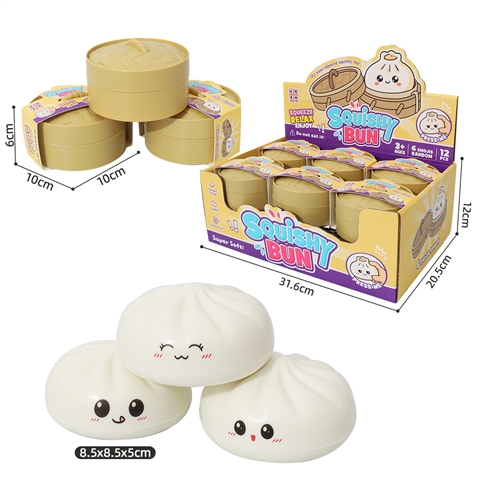
PU foam and TPR squishy toys can both appear under a broad squishy category, but they create different product experiences and different sourcing questions. PU foam references often emphasize a soft, quiet compression and visible slow recovery. TPR formats can support transparency, color, bead or gel effects and a more visual squeeze. The right material depends on the retail channel, the expected feel, the package claim and the compliance review for the exact finished SKU. Compare samples side by side before choosing the material for a wholesale range.
Start with the customer action, not the material label
Ask what the customer should notice in the first few seconds. A desk-fidget program may value a quiet palm-sized squeeze and a visible slow return. A gift shop may prefer a transparent body, glitter, beads or a food shape that demonstrates movement through the package. A party-favor assortment may need color variety and a package that explains the novelty without a long sales conversation. Material is part of that decision, not the full decision. Define the desired compression, recovery, surface, transparency, filling and size in the brief. Then use one PU reference and one TPR reference to see which sample actually delivers the intended shelf story.What buyers usually notice in PU foam
PU foam is commonly selected for a soft, pillowy hand feel and a slower visible recovery. The exact result depends on density, shape, coating, paint and manufacturing controls, so the word foam should not replace a physical sample. Check how the item feels after repeated compression, whether the surface remains even, and whether the printed detail stays aligned when the body expands. A food-shaped PU bun can suit desk-toy, gift and novelty programs where the customer wants a quiet squeeze. Record the accepted sample's rebound behavior and surface finish because two foam products can feel very different even when both are described as slow rising.What buyers usually notice in TPR
TPR formats can be useful when transparency, stretch, color depth or an internal visual effect is central to the product. A bead-filled baozi or gel-style candy format gives the shopper something to watch as the item is pressed. TPR can also support compact food or novelty shapes that work in a display box. Confirm elasticity, surface tack, odor, filling containment and print adhesion on the sample. If the item uses beads, gel, glitter or another internal element, ask how that feature is specified and inspected. The visual effect is a selling point only when the package protects it and the final production matches the approved reference.Compare the feel with a simple sample protocol
Use the same protocol for both materials. Measure the product before and after compression, use a consistent squeeze duration, observe the recovery time, and record whether the body returns evenly or keeps a dent. Inspect seams, corners, surface coating, print and smell before and after repeated handling. If the product is transparent or filled, photograph the internal effect in the same light. Ask for the exact material and size on the sample request, not only a product-family name. Share the approved comparison with the factory and your content team so product copy, photos and purchase-order specifications use the same reference.Packaging should reveal the right product benefit
A display box can make a food-shaped TPR item easy to merchandise, while a clear package can show beads or a gel effect. A foam item may need enough space to avoid permanent compression or surface damage during storage. Ask for the individual package dimensions, ventilation or protection requirements, display orientation, package material and master-carton pack. If the package hides the feature that justifies the product, the retailer may need extra signage. If the package over-compresses a foam body, the arrival condition may not match the sample. Approve the product and package together, including the final warning and care language if applicable.MOQ and price are not material-only decisions
MOQ can be affected by the shape, carton pack, filling, color mix, package and print method as much as by the base material. A stock PU item may support a different first test from a multi-color TPR item with individual display packaging. Use the current references below as real comparison points: sqz350799 is a PU bun with display-box presentation, sqz350809 is a TPR bead-filled baozi, and sqz349244 is a slow-rebound foam stick format. Ask for the quantity in pieces and cartons, current price tier, sample cost and whether a mixed-color case is possible. Do not infer a material-wide MOQ from one SKU.Compliance follows the finished material and construction
Give the destination market, age grade and intended product claims before the supplier confirms documents. The exact material, filling, print, structure, package and warning label determine what needs to be reviewed. A change from a plain foam body to a filled TPR design is not a cosmetic change for documentation. Ask for evidence tied to the final SKU and keep the report reference with the approved sample. Avoid claims such as non-toxic, child-safe or therapeutic unless the exact product and market evidence supports the wording. A clear, factual listing about material, size, packaging and handling is easier to defend than an exaggerated comfort claim.Choose a material by channel and reorder logic
For a desk-fidget or calm novelty assortment, PU foam may provide a quieter, slower-rebound story. For a gift, party or collectible range, TPR can make color and internal movement visible. Some retailers can carry both, but name the distinction in the range architecture so customers understand why the items feel different. Start with a small set of samples, approve the product and package, then calculate carton and replenishment needs. Ask for production timing and freight assumptions for the chosen configuration. The best material is the one that creates a repeatable customer experience and a manageable order plan, not the one that sounds most impressive in a title.9. Write product copy that matches the tested feel
Once the material decision is made, update the product listing with words that a customer can understand and a buyer can verify. Describe the material, size, surface, filling, package and the observed squeeze or recovery behavior without promising a medical result. If the product is a TPR item with beads or gel, state that the internal effect is part of the design and confirm how it is contained. If it is a PU foam item, describe the approved slow-rebound feel and avoid implying that every foam format behaves identically. Use the same naming convention across the catalog so retailers can compare products without guessing. Product photographs should show the actual color and package, while the alt text should describe the product and its wholesale context rather than repeating a keyword list. Include the SKU, MOQ and package in the commercial facts area, then link the item to its category and the relevant OEM or private-label route. This translation from sample to listing matters because a mismatch creates returns, weakens retailer confidence and makes the next reorder harder to approve. The sample is the source of truth for the tactile claim, and the final copy should remain within what the approved product and market documentation support.Published SKU references for the discussion
These pages provide the current item image and available product facts. Use the SKU in the RFQ to confirm current price, MOQ, packaging, samples, certificates and delivery for your market.
| Published product reference | Buyer facts to confirm |
|---|---|
| White Mini Bun Squishy with Steamer Display Box SKU sqz350799 | Material: PU foam Size: Confirm by SKU MOQ: 3 cartons / 864 pcs Packaging: Display Box Case pack: 288 pcs/carton |
| 8.5 cm Colorful Bead-Filled Baozi Squishy SKU sqz350809 | Material: TPR Size: 8.5 cm MOQ: 5 cartons / 720 pcs Packaging: Display Box Case pack: 144 pcs/carton |
| Small Color-Printed Butter Cheese Sticks SKU sqz349244 | Material: PU Polyurethane (slow-rebound foam) compliant with safety standards Size: 14*4*4 MOQ: 2 cartons / 1080 pcs Packaging: OPP bag Case pack: 540 pcs/carton |
Buyer questions
Which material rises more slowly, PU foam or TPR?
Recovery depends on the exact formulation, density, shape and filling. Compare the physical samples and record the approved behavior by SKU.
Is TPR better for transparent or filled squishies?
TPR is often used when transparency or an internal visual effect matters, but the final elasticity, filling and package must be confirmed by sample.
Can PU foam and TPR use the same packaging?
Sometimes, but compression protection, display size and feature visibility may differ. Approve packaging with the exact product.
Do material changes affect compliance?
They can. Confirm the document scope for the final material, filling, structure, age grade and destination market.
Continue the sourcing review
Use the slow rising squishy toys wholesale route and the squishy toys wholesale collection for the wider buying route, then compare the two published product references below before requesting current freight and document scope.
- White Mini Bun Squishy with Steamer Display Box SKU sqz350799 / MOQ 3 cartons / 864 pcs.
- 8.5 cm Colorful Bead-Filled Baozi Squishy SKU sqz350809 / MOQ 5 cartons / 720 pcs.
For logo, color or retail-packaging work, review custom squishy toys OEM and private label squishy toys. Send the selected products through the wholesale RFQ workspace.