
Squishy Supplier Due Diligence Checklist: What to Verify Before You Wire a Deposit
A real-case squishy supplier due diligence checklist: line clearance, peak-season freeze dates, sample retention, quote scope and the evidence to demand before you wire a deposit.
The single most useful due diligence test for a squishy supplier is not the catalog, the showroom, or the price — it is whether the factory can show you a line clearance record. In one documented incident, a new SKU started while the previous SKU's labels were still in the hopper; the line had to be stopped, labels, colours and work instructions cleared, and the job restarted. That is boring until a mixed label reaches a retailer's shelf, where it becomes a recall conversation.
So the working checklist has six gates: capability and material control, quality records, compliance evidence, capacity and subcontracting claims, quote scope, and the changeover discipline that governs peak season. Below is how to run each gate, what evidence actually counts, and where a verbal promise should be treated as an open question rather than a fact. Squishy suppliers in this product class are typically small-to-mid assembly operations, so the burden of proof sits with the buyer.
Key Takeaways
- Supplier qualification should evaluate capability, material control, quality records, compliance evidence, capacity claims and subcontracting — a catalog page is not a qualification document.
- A toy quote should separate tooling, samples, production parts, decoration, testing, packaging, freight and taxes; a single landed number hides which line item will move later.
- Retained samples support later comparison of colour, construction, packaging and failure investigations, and should be identified by model and lot — ask how the factory labels them before you order.
- Toy lead time should be split into tooling, first sample, testing, production, packaging and shipping, because one total figure can conceal which dependency is actually binding.
- Peak-season mould swaps consume lead time: a verbal quick colour change in September has missed more vessels than steel problems in the documented cases, so get the freeze date and changeover hours in writing.
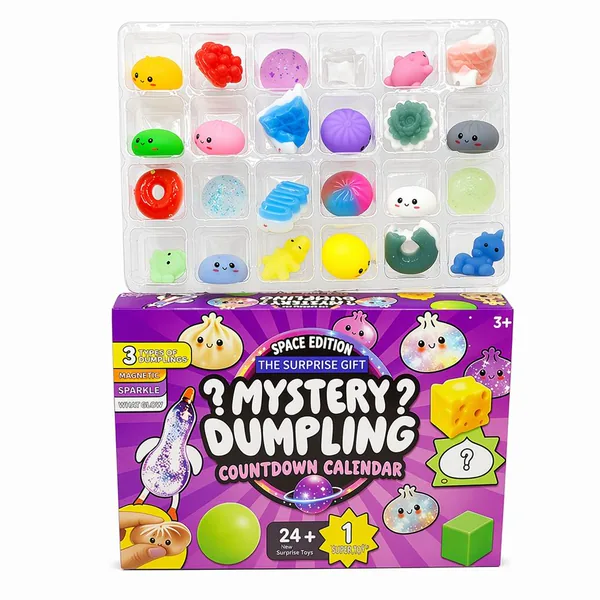
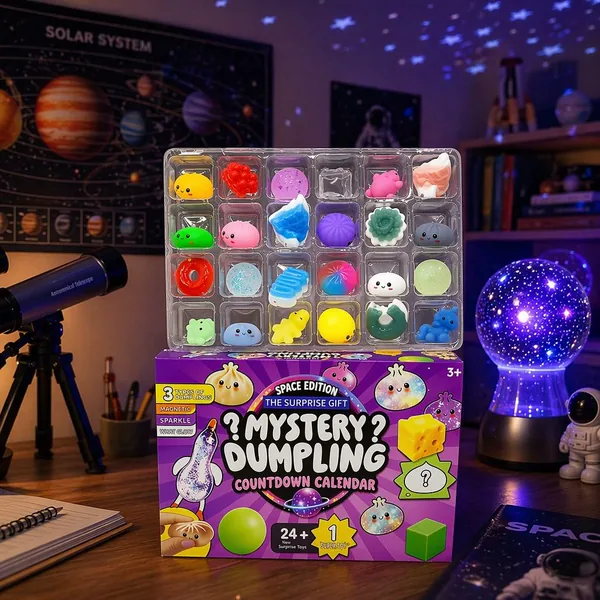
What does a squishy supplier due diligence checklist actually test?
It tests whether the factory can reproduce the same squishy twice. Squeeze toys fail buyers in three predictable ways: inconsistent rebound or hardness between lots, packaging and label mix-ups, and a compliance file that does not match the material actually moulded. None of those show up in a sample photo.
The practical consequence is that due diligence is a document-and-observation exercise, not a trust exercise. You are asking for records that would exist anyway if the process were controlled: line clearance sheets, retained samples keyed to model and lot, resin lot or batch traceability, an inspection standard with a sampling plan, and a quote that names what is and is not included.
Three statuses matter and should be tracked separately through the whole evaluation. Verified: you have seen the record or the physical evidence. Assumption: plausible but unconfirmed, such as a capacity figure. Open question: the factory has not yet answered, or answered only verbally. Anything verbal stays in the open-question column until it appears in a document.
Due Diligence Evidence: What to Ask For and What It Proves
| Line clearance and changeover record (labels, colours, work instructions) | Proves the factory can separate one SKU from the next; without it, mixed labels and wrong colours reach retail packaging. Ask to see the sheet for the last three changeovers. |
|---|---|
| Retained samples keyed by model and lot | Proves the factory keeps a physical reference for colour, construction and packaging, and can support a later failure investigation. Ask how samples are labelled and how long they are held. |
| Resin lot / batch traceability | Links the moulded toy back to a material supplier, so a later chemical or mechanical result can be investigated. Ask whether the lot code on the carton maps to a resin batch record. |
| Inspection standard and sampling plan | Proves inspection exists as a defined procedure rather than a habit. Ask which sampling plan applies and whether the AQL is set by the buyer or by the factory. |
| Compliance file matching the actual material | Proves the test report corresponds to the formulation and colour actually produced. Confirm the report references the same material and the same production route. |
| Quote scope breakdown | Proves the comparison is meaningful. Ask for tooling, samples, production, decoration, testing, packaging, freight and taxes as separate lines. |
| Capacity and subcontracting statement | Proves who actually makes the goods. Ask which processes are in-house and which are subcontracted, and name the subcontractor. |
| Peak-season changeover plan | Proves lead time is a schedule, not an aspiration. Ask for the freeze date, the changeover hours, and which job is on the press. |
Why does line clearance belong in a squishy due diligence checklist?
Because most squishy defects that reach a retailer are mix-ups, not material failures. In the documented line-clearance incident, a new SKU started with the previous SKU's labels still in the hopper. The correction is mechanical: stop the line, clear labels, colours and work instructions, then start. No clever tooling required.
That sequence is worth asking about directly in an audit. Walk the packing station and ask what happens between two jobs. If the answer is a verbal 'we check', you have an open question. If the answer is a signed clearance sheet with the previous job number, the new job number, and the person who cleared it, you have a control you can audit on every reorder.
A secondary benefit is that clearance discipline predicts packaging behaviour. Buyers who need bilingual or market-specific packaging — short Spanish instructions for a Latin American retail channel, for example — depend on the factory swapping inserts and cartons cleanly. The same control that prevents a mixed label prevents a wrong-market insert.
Which question separates a real factory from a trading desk?
Ask which processes are in-house and which are subcontracted, then ask to see the subcontractor's name on a document. A trading desk answers with a category ('we work with several moulders'). A factory answers with a process list and a boundary.
Supplier qualification should evaluate capability, material control, quality records, compliance evidence, capacity claims and subcontracting rather than relying on a catalog page. The subcontracting question is the sharpest of those because it changes who is accountable when a lot drifts. If moulding is subcontracted, the retained sample and the resin lot record both live somewhere else.
The same logic applies to capacity. A monthly output figure is an assumption until it is tied to a specific line, a shift pattern and a named product. Treat any capacity claim that cannot be decomposed that way as unverified, and plan your reorder window around the verified number, not the claimed one.
How should a toy quote be structured so suppliers are comparable?
Ask every candidate to quote the same scope in the same line items: tooling, samples, production parts, decoration, testing, packaging, freight and taxes. A toy quote should separate these so the comparison is meaningful — otherwise the cheapest headline number is usually the one with the most excluded items.
Decoration and packaging are where squishy quotes diverge most. A printed blister card, a display box, a steamer-style display tray and a plain polybag are four different cost structures and four different tooling commitments. If two suppliers quote the same unit price, check whether they quoted the same packaging before concluding anything.
Freight and tax treatment deserve their own line. FOB versus a delivered term changes who owns the risk between the factory gate and the port, and it changes what your landed-cost model can actually rely on. If a supplier refuses to break the quote down, that is itself a finding — record it as an open question and weight the offer accordingly.
What does peak-season changeover do to squishy lead times?
It dominates them. Peak season mould swaps eat lead time, and a verbal quick colour change in September has missed more vessels than steel problems. The correction is documentation: write the freeze date, the changeover hours, and which job is on the press.
Production lead time without peak notes is fiction. A single number such as '30 days' collapses tooling, first sample, testing, production, packaging and shipping into one figure and hides which dependency is binding. Toy lead time should distinguish those stages because one total number can hide different dependencies — and in Q3 the binding dependency is almost always press availability, not labour.
For a buyer planning a seasonal or holiday program, the practical move is to ask for the changeover schedule with the quotation, not after the deposit. If the supplier cannot state a freeze date, assume your colour change will be scheduled against someone else's job and build a buffer into your vessel booking. Any specific number you receive here should be confirmed in writing per order.
How do packaging and language fit change the due diligence scope?
Packaging is a compliance and a commercial artifact at the same time, so it needs the same evidence trail as the toy. Gross weight includes packaging while net weight refers to the product contents; the two values should be measured and labelled consistently, because a customs or retail discrepancy usually starts here.
In one documented case, a supplier curated sensory toys and large pop-its for shared tables with simple packaging and short Spanish instructions, and the buyer entered three private school sensory-corner programs that renewed each semester. The toy did not change between semesters — the packaging and instruction language made it reorderable for that channel.
So when you audit, bring your own packaging requirement into the room. Ask to see the artwork approval record, the insert language check, and the carton marking template. For a mixed-container importer, this is also a storytelling question: generic unbranded filler complicates the pitch to retail buyers, and a documented packaging spec is what makes the reorder repeatable rather than improvised.
What does a good first order look like for a new squishy supplier?
A structured first order beats a large one. In a documented case, a buyer's first order was a mix of six soft SKUs — fruits, animals and stress balls — with clear blister packaging, an FOB quotation, and QC photos before shipment. That structure tests colour consistency, packaging fit and inspection behaviour across several moulds without betting the season on one SKU.
The QC photos matter more than they look. They are a pre-shipment checkpoint that lets you compare the produced goods against the retained sample and the approved artwork before the container is sealed. Ask for photos at a defined stage, on a defined background, with the carton marking visible.
Retained samples close the loop. Retained samples support later comparison of colour, construction, packaging and failure investigations and should be identified by model and lot — so at the end of the first order, confirm that you and the factory are holding the same reference, labelled the same way, for the same lot.
Where does a factory audit stop and a certification claim begin?
A factory audit verifies process discipline. A certification claim verifies a test result on a specific sample. They are not substitutes, and conflating them is how buyers end up with a compliant-looking file and a non-compliant shipment.
When a supplier presents a test report, check three things yourself: the material named on the report against the material in the quote, the production route, and the report's validity window. If any of those cannot be confirmed from the document, record it as an open question. Never accept a certificate number as a substitute for reading the scope.
For destination-market requirements, work from the regulation, not from the supplier's summary of it. Which standard applies to squishy toys in your market, and which test house is acceptable to your retailer, are questions your compliance team or importer of record should answer before the PO, not after. This article deliberately does not assert specific certification outcomes, because they depend on the material, the age grading and the destination.
How do you score the answers you receive?
Score three axes separately and resist blending them into one feeling. Evidence quality: did you receive a document, a photo, or a verbal answer? Commercial fit: does the MOQ band and quote scope match your channel — a school-and-prize distributor and a mixed-container importer need different order structures. Operational fit: can the factory hold a freeze date and a changeover schedule during your buying window?
Then apply a tie-breaker. If two suppliers score equally on evidence, choose the one that answered the uncomfortable question — subcontracting, peak-season press availability, or what happens to a rejected lot — with a document rather than a reassurance. Reassurance is free; a clearance sheet is not.
One example among the factories in this category: a Chenghai-based operation that has supplied custom squishy and sensory toys since 2015 publishes a MOQ of 300 units and a lead time of 25–35 days. Use that only as a reference point for what a stated MOQ and lead-time band looks like in a quote — not as a benchmark that applies to other factories, whose MOQ and lead time vary by spec, material and packaging.
FAQ: Squishy Supplier Due Diligence
What is the minimum order quantity for custom squishy toys?
MOQ varies by spec, material and packaging — there is no single industry number. Published figures range from a few hundred units for a simple soft SKU to well over a thousand for a moulded or decorated item; ask for the MOQ that applies to your exact material, colour and packaging combination and get it in the quotation, not in an email.
How long should I expect squishy toy lead time to be?
Treat lead time as a schedule, not a number: tooling, first sample, testing, production, packaging and shipping each carry their own dependency. Ask the factory to state each stage separately, and in Q3 ask for the freeze date and changeover hours, because peak-season mould swaps are usually the binding constraint.
Which certifications should a squishy supplier provide?
The applicable certification depends on the destination market, the material and the age grading, so it must be confirmed against the regulation rather than accepted from a supplier summary. What you can require regardless is that the test report names the same material and production route as your order, and that its validity window covers your shipment.
Can I verify a squishy factory without travelling to China?
Partly. You can verify document discipline remotely — line clearance sheets, retained sample labelling, inspection standards, quote scope breakdowns and pre-shipment QC photos — and you can commission a third-party audit for the physical walk-through. What you cannot verify remotely is press availability during peak season, so put the changeover plan in writing.
What should a first order look like to test a new squishy supplier?
A multi-SKU first order with clear packaging, an FOB quotation and pre-shipment QC photos tests more of the process than a single large SKU. It exposes colour consistency across moulds, packaging fit and inspection behaviour, while keeping your seasonal exposure contained.
How do I stop a squishy supplier mixing up labels or colours between SKUs?
Require a written line clearance step between jobs: stop the line, clear labels, colours and work instructions, record the previous and new job numbers, and start. Ask to see the last three clearance records during evaluation, and keep a retained sample per model and lot so a mix-up can be identified after the fact.
Sources
Related Products & Categories
Request a Quote or a Factory Audit
If you are evaluating squishy and sensory-toy suppliers and want the checklist applied to a live quotation, send your target material, packaging spec, destination market and order volume. You will get a scope-broken quote — tooling, samples, production, decoration, testing, packaging, freight and taxes as separate lines — plus the changeover and freeze-date assumptions in writing. For buyers who want the process verified on the floor rather than on paper, a factory audit can be arranged alongside the quote. Browse the sensory range first if you are still narrowing the SKU mix: squishy and squeeze toys.
Continue the sourcing review
Turn this guide into a quote-ready shortlist. Start with the squishy toys wholesale category, then compare two published SKUs before asking for current freight and document scope.
- Five-Color Steamer Baozi Squishy (SKU sqz350815)MOQ: 5 cartons / 720 pcs; packaging: Display Box.
- 8.5 cm Colorful Bead-Filled Baozi Squishy (SKU sqz350809)MOQ: 5 cartons / 720 pcs; packaging: Display Box.
For logo, color or retail-packaging work, review the custom squishy toys OEM and ODM program or send the selected items through the wholesale quote workspace.